


By Dana Oland
As a kid, my mom dragged me across the West to every dusty museum, roadside marker, and cluttered antique shop, chasing her passion for Western history. Not exactly a dream for a 9-year-old “Star Trek” geek.
But there I was a few weeks ago, strolling around the Idaho State Museum with a group of self-professed “history nerds,” who worked to transform “dusty history” into something vibrant and alive.
Who knew history could be this fun?
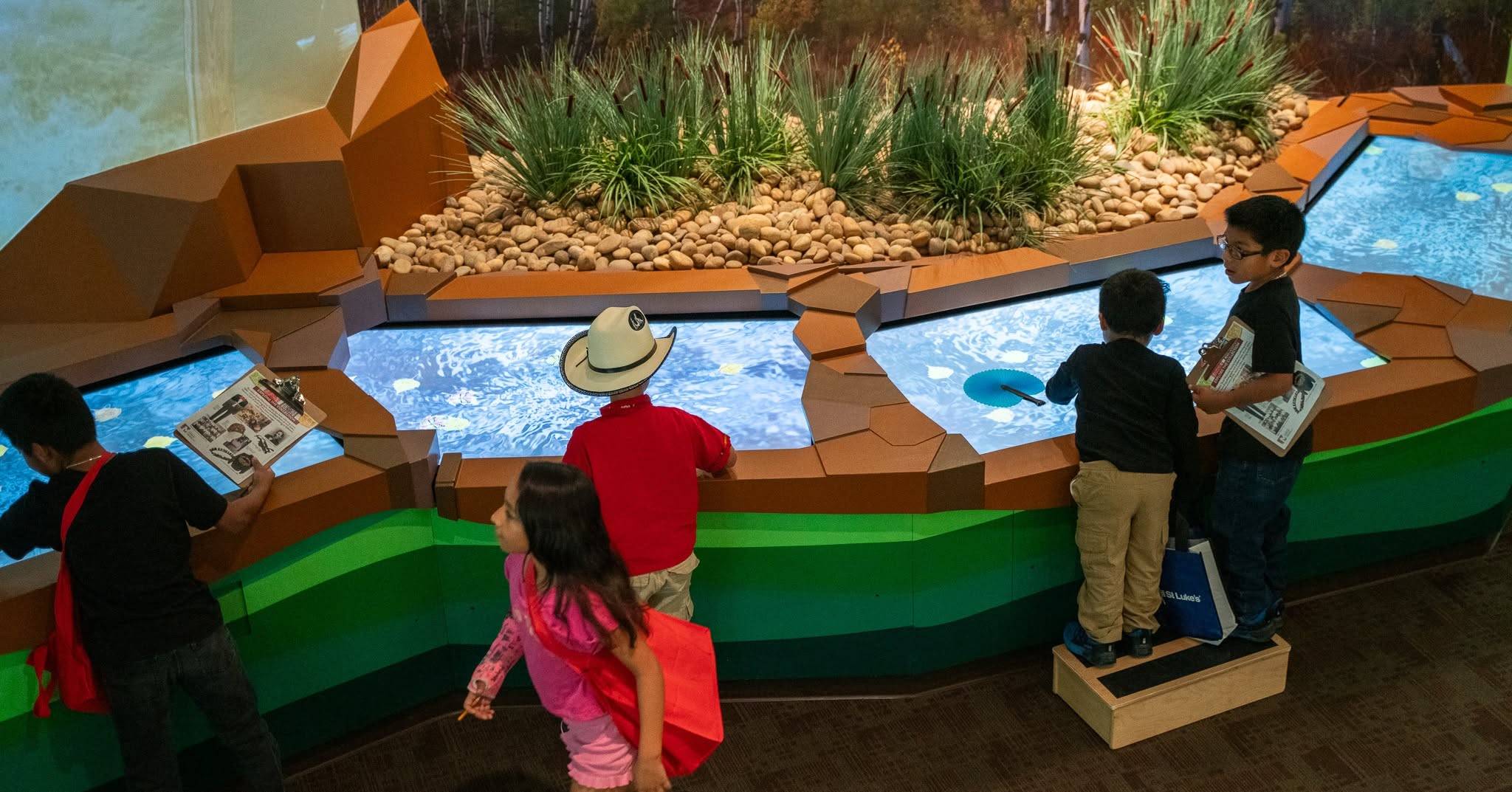
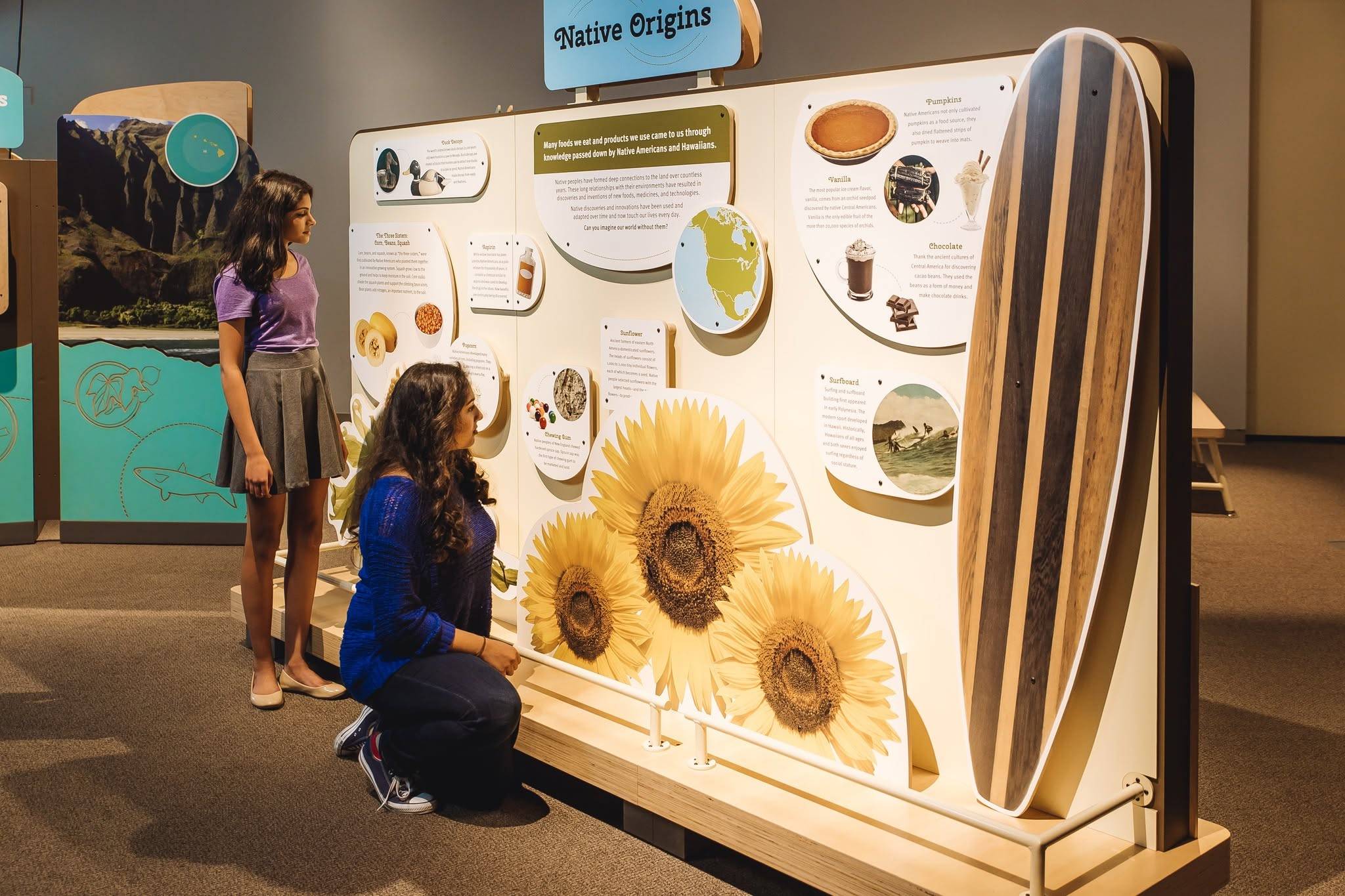
You can turn Shoshone Falls up and down while learning about irrigation, race the clock in a game about Idaho agriculture, watch animated origin stories from Idaho’s five federally recognized tribes, and even step into an exhibit yourself — snap a selfie and tell your own Idaho origin story.
That blend of fact, fun, and whimsy makes the Idaho State Museum work. It’s built to teach and entertain, to captivate and connect Idaho history to people of any age.
Yes, a large portion of its audience consists of Idaho fourth graders, who study Gem State history. This interactive exploration makes the field trip here the highlight of the semester. During the summer, it’s quieter. When school is on, thousands of kids filter through.
My guides were Janet Gallimore, executive director of the Idaho State Historical Society (which oversees the museum, the Old Pen, and other sites); Sarah Phillips, the museum’s director; Nicole Inghilterra, the museum’s curator; and Bryan Rich, who designs and builds the exhibits.
We wind through the galleries: “Origins,” which tells the stories of Idaho’s five Tribes in their own words, and “Idaho, the Land & Its People,” which traces the state’s evolution through geography, Lakes and Forests of the north, Mountains and Rivers of the center, Deserts and Canyons of the south. The throughline is clear. These things could only happen here, and only because these people were here.
As we walk, our voices mix with the museum’s own bells and whistles, soundscapes of wind, water, and fire, all punctuated by the squeals and laughter of kids exploring with their families.
“History is noisy,” Phillips said. “We tell the stories of people who are noisy, and they’re not changing the trajectory of something by sitting silently. It takes conversation and the noise of everything to fully understand and appreciate our story.”
Some of those noisy people: Polly Bemis, a Chinese immigrant enslaved and brought to the U.S. in the late 19th century, later an Idaho legend for her backwoods hospitality along the Salmon River. Robert “Two Gun” Limbert, who left Nebraska to open a Boise taxidermy shop, then explored the state and promoted its beauty nationally. And then there’s Idaho’s most unlikely hero, Geronimo the Beaver, who made national news in 1948 when Idaho Fish & Game parachuted him and a cadre of his mates into the Chamberlain Basin to repopulate the species in the backcountry.
“It’s one of the best stories out of Idaho,” Inghilterra said. “I hear people say, ‘You can’t officially say you’re an Idahoan if you don’t know who Geronimo the Beaver is.'”
The ‘Big Burn’
The museum features 46 interactive multimedia exhibits, from low to high tech, including the “Founding Father’s Wheel” in “Four Score and Seven Years Before,” designed by Rich, where you turn a dial to match historical figures with their bios.
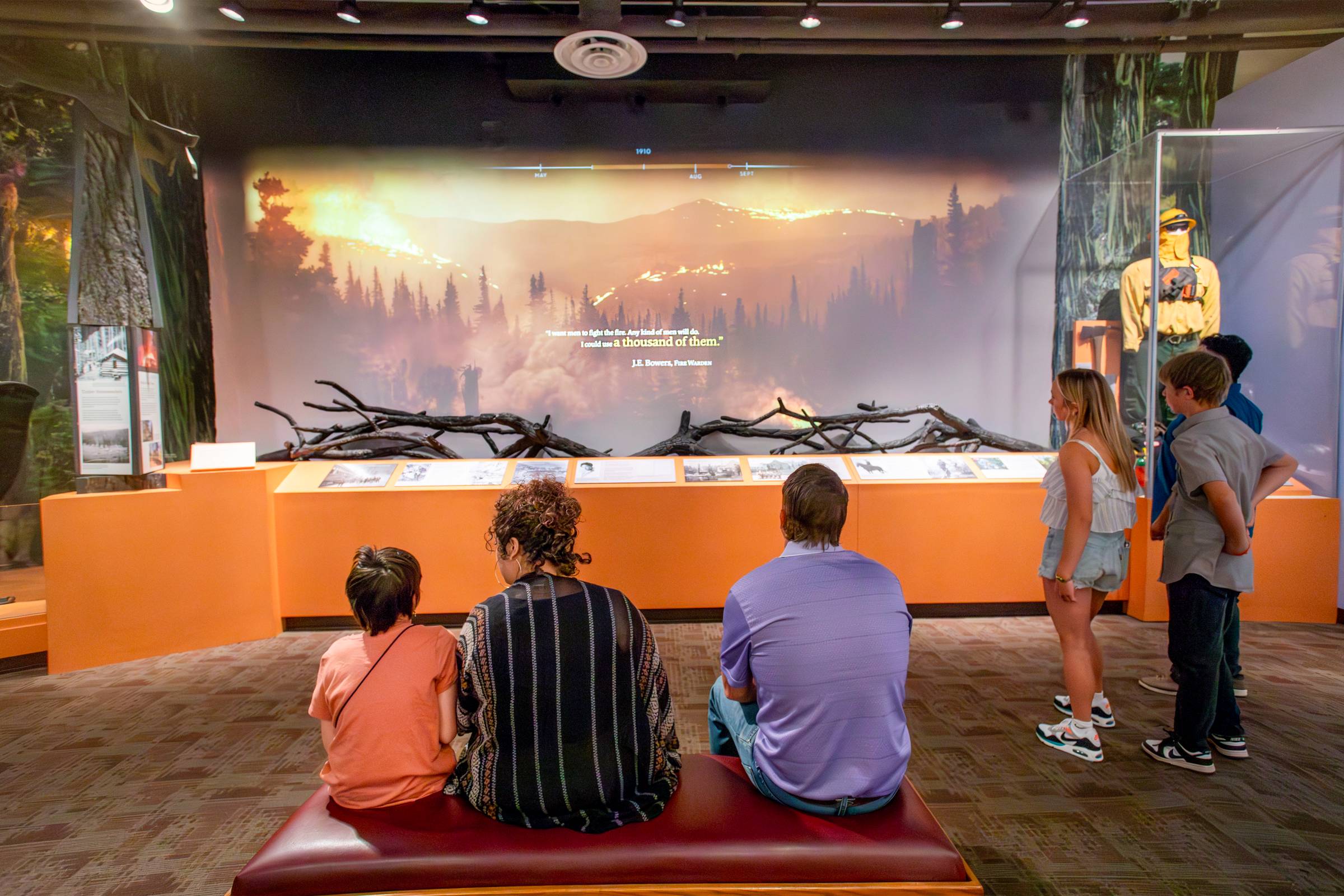
At the high-tech end is The Big Burn, an exhibit about one of the largest fires in U.S. history, which tore through Northern Idaho in 1910. The award-winning display uses a large projection screen to trace the fire’s timeline and destruction, with survivor quotes fading in and out as sound effects swell and air blows through the space.
This is how the museum tells history today. Not in static vignettes or shelves of antiques, but as an invitation to read, watch, play, touch, and feel it. It weaves together art, literature, science, and film to capture “the broadness and the breadth of history over time,” Gallimore said.
That’s thanks to a $17.1 million renovation, begun in 2014 and completed in 2018, that added 16,000 square feet of galleries and public gathering space and made this level of interactivity possible.
“History doesn’t live in a little slice,” Gallimore said. “It’s the mothership of all disciplines. We wanted to make sure the museum contained everything that would inspire all Idahoans.”
That philosophy drove a name change, too. When this iteration opened, it dropped “Historical” from its name, becoming simply the Idaho State Museum: a shift that honors the past while bringing it into the present, Phillips said.
“It’s not just that history happens and we move on,” Phillips said. “History continues to inform what we do every day.”
How did we get here?
This multilevel, high-tech museum would astound the people who first conceived of a historical society in 1881: a group of businessmen and politicians, many of them Boise founders, including mayor Cyrus Jacobs and future governor James Hawley, who set out to preserve the stories of the Idaho Territory’s early pioneers. “The history of Idaho is a work yet to be written,” the Tri-Weekly Statesman reported that January, calling for pioneers to gather and share their memories. Only the 43 settlers who’d arrived before 1863 were initially eligible, and the Territorial Legislature funded the group with just $250 a year (about $8,000 today) to form the Idaho Historical Society of Pioneers. Its first president was Christopher “C.W.” Moore, who later built the Moore-Cunningham House on Warm Springs Avenue, which was the first residential home in Boise heated by geothermal.
By 1885, eligibility had expanded to settlers who’d arrived before 1865, though women were excluded regardless of when they’d arrived.
In 1907, the legislature made the society an official state department, and as plans for the new Capitol came together, the museum landed in the basement. “I personally feel like it means a lot that Idaho chose intentionally to place the Idaho State Historical Museum within that locus of government,” Inghilterra said. “That shows how important they thought it was.”
The museum outgrew its basement within 20 years, so ahead of Idaho’s 50th anniversary, the society asked the legislature to build it a proper home. Lawmakers approved $40,000 in bonds, matched by the Works Progress Administration, and the state secured land in Julia Davis Park near the Boise Art Gallery (now the Boise Art Museum), which the WPA had built in 1937. Construction began in November 1941, but a month later, the attack on Pearl Harbor diverted the funds and materials to the war effort, and the half-built shell of the museum sat untouched until the late 1940s, when the state found $138,000 to finish the project.
The new era
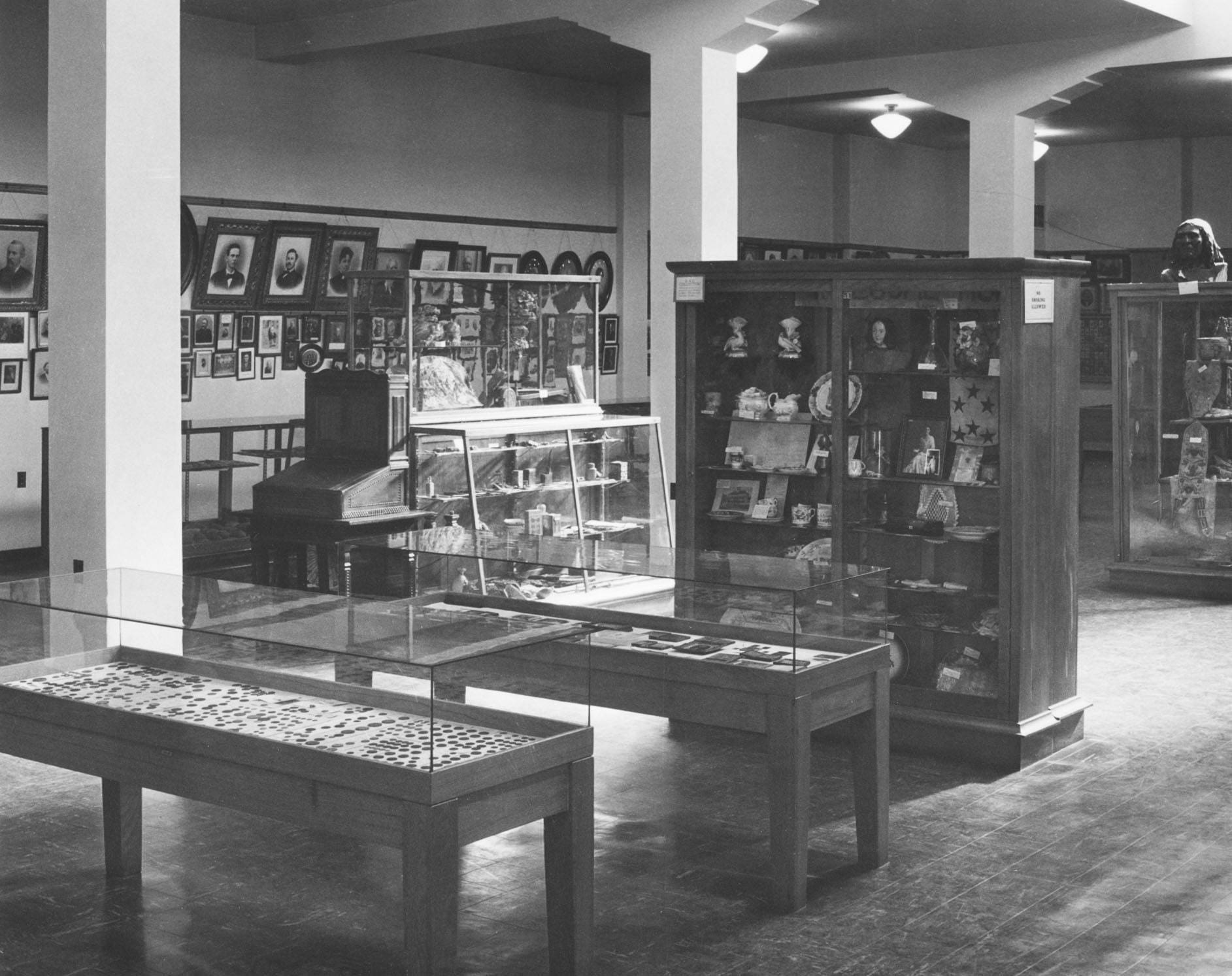
The museum opened in December 1950. At its dedication, State Historian Gertrude McDevitt said the building was worthy of displaying relics of “inestimable worth.” The new space brought the agency its first professional director, H.J. Swinney, who launched the membership program and created historic vignettes and children’s programs, including a popular marionette theater.
By the mid-1970s, the museum had again outgrown its space. Then-director Arthur Hart started pushing for an expansion, and it was a challenge, said Jody Ochoa, who later served as the museum’s registrar and then director. She wasn’t there at the time, but remembers the stories about how hard it was to get funding from the state. Hart did not have a smooth relationship with the Legislature, Ochoa said, but in the end got funding approved, though not as much as he’d hoped.
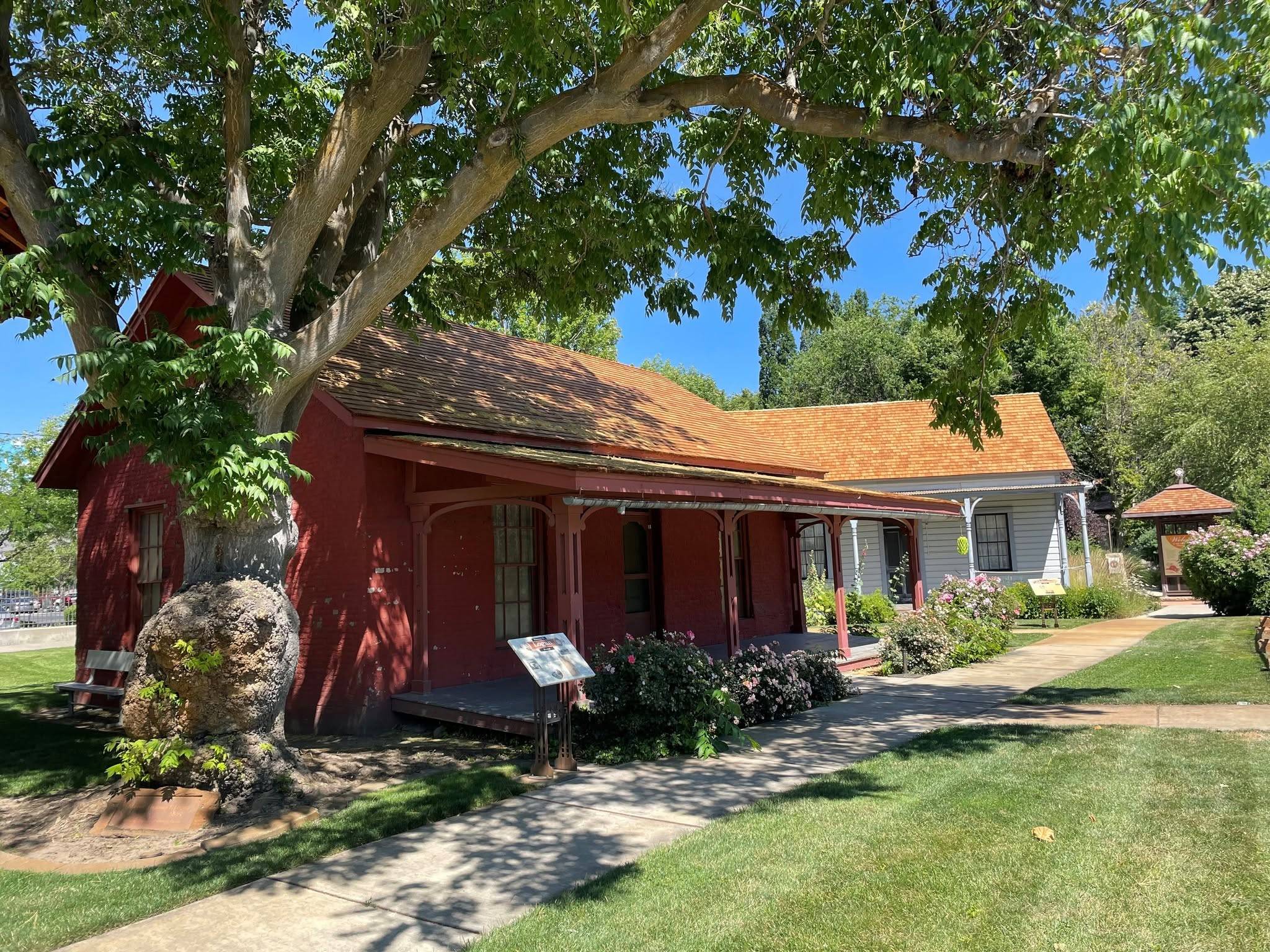
The result was a new entrance that added 8,800 square feet, wrapping around the original building and reaching toward Capitol Boulevard, which made the old facade a feature of the interior that still exists today. The 1980 addition brought more gallery space, a large, airy entryway, a gift shop, and the stained glass dome rescued from the Historical Owyhee Hotel. It also created Pioneer Village east of the museum, where historic houses were relocated to showcase early Boise architecture.
But there were problems. The plan had always been to follow up with sturdier construction within 10 years, “because the walls are so thin that you could put a fist through them,” Ochoa told the Idaho Architecture Project. The wing also lacked wiring, stunting the museum’s tech ambitions for decades. That follow-up never came, but the new wing still let the museum grow its programming and start pulling in bigger traveling exhibits.
Leveling up
In 2007, the board of trustees hired Gallimore, the current executive director, and things started to change, Ochoa said. She was brought in to transform the organization into a cultural powerhouse, and nearly 20 years later, she’s done exactly that.
Building the current museum took years of delays, including from the company behind interactive displays like the entryway’s touch-screen map, which took an additional year to complete. Meanwhile, staff developed the permanent exhibits, borrowing artifacts from across the state, partnering with the Tribes to tell their stories with integrity, and holding more than 700 interviews and community forums to learn what people actually wanted before they built it.
Exhibits still come together as a team effort, Inghilterra said. That team includes Inghilterra, Rich, Gallimore, Phillips, and a few others who brainstorm ideas based on the permanent collection. The two current exhibits are in the Treasures and Syringa galleries: “Four Score and Seven Years Before,” highlighting Revolutionary and Civil War items from local collectors, and “United We Celebrate,” exploring how Idahoans gather to celebrate, timed to the country’s 250th anniversary. The museum also leans on collaboration with other organizations, such as the Basque History Museum.
They also scout traveling exhibits worth adapting for Idaho. In 2023, they brought in “Roots of Wisdom” from the Oregon Museum of Natural History, exploring how Indigenous communities worldwide preserve ecosystems through cultural wisdom. Inghilterra and Rich localized it, partnering with Idaho’s five tribes and illustrating panels that highlight significant species, tools, and crafts.
“It was a remarkable opportunity to take a nationally renowned exhibit, one also partnered with the Smithsonian, and make it highly representative of Idaho,” Inghilterra said. “In the end, it felt like our exhibit.”
The other half of the museum’s mission is public programming, like ”Porch Night,” a Story Story Night collaboration happening on August 26, or the monthly Museum After Dark events.
The team was coy about what the next exhibits will be, because there are too many pieces that need to fall into place. But they do work off a five-year plan, although the “Wisdom” exhibit was an opportunity that came together in about nine months.
“Nicole will write up a proposal based off of scholarship and collection strength,” Phillips said. “We like to bring out collections because we know people want to see what hasn’t been shown for a while, then engage with groups we might bring in as a partner, and maybe tell a different story of Idaho we haven’t told yet.”
The two current rotating exhibits will be up for another year. As for what’s next, we’ll have to wait and see.
Gallimore and her team are also nearing completion of a $21 million expansion of the Idaho History Center, the Society’s archive and research facility. The project will grow the 65,000-square-foot building by another 50,000 square feet and add a second story, creating one state-of-the-art home for the Society’s physical archives: papers, books, clothing, furniture, native artifacts, and natural specimens. Right now those collections are scattered across several locations that don’t meet the standards needed to keep them safe.
It’s a fitting next chapter for an organization that’s spent 145 years figuring out how to hold onto Idaho’s story, and how to tell it so people actually want to listen.
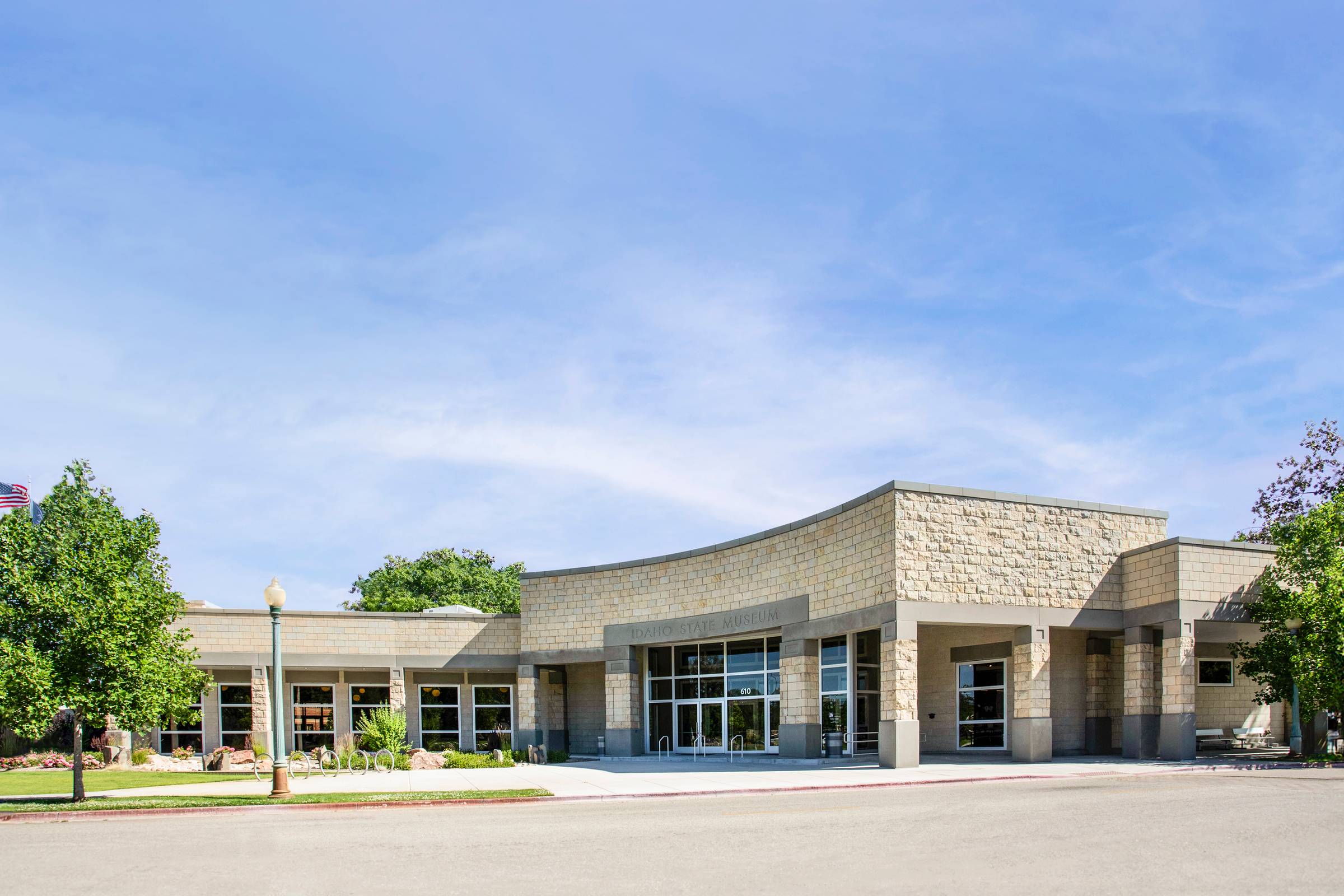
You can visit the Idaho State Museum at 610 Julia Davis Drive in Boise. Hours are Monday-Saturday 10am-5pm, Sunday 12-5pm.
Thanks for reading!
With love from Boise,
Marissa
This story was written by Dana Oland. Dana is a writer, journalist, yoga instructor and former professional dancer, who wrote for the Idaho Statesman for nearly 30 years as a journalist and award-winning arts writer. Originally from California, she moved to Idaho in 1996 and immediately fell in love with the Gem State. She’s covered the cultural life and growth of Greater Boise — and Idaho — and is now excited to continue that pursuit with From Boise.
If you’re interested in getting your product, service, or event in front of 25k Boise locals → book a call


